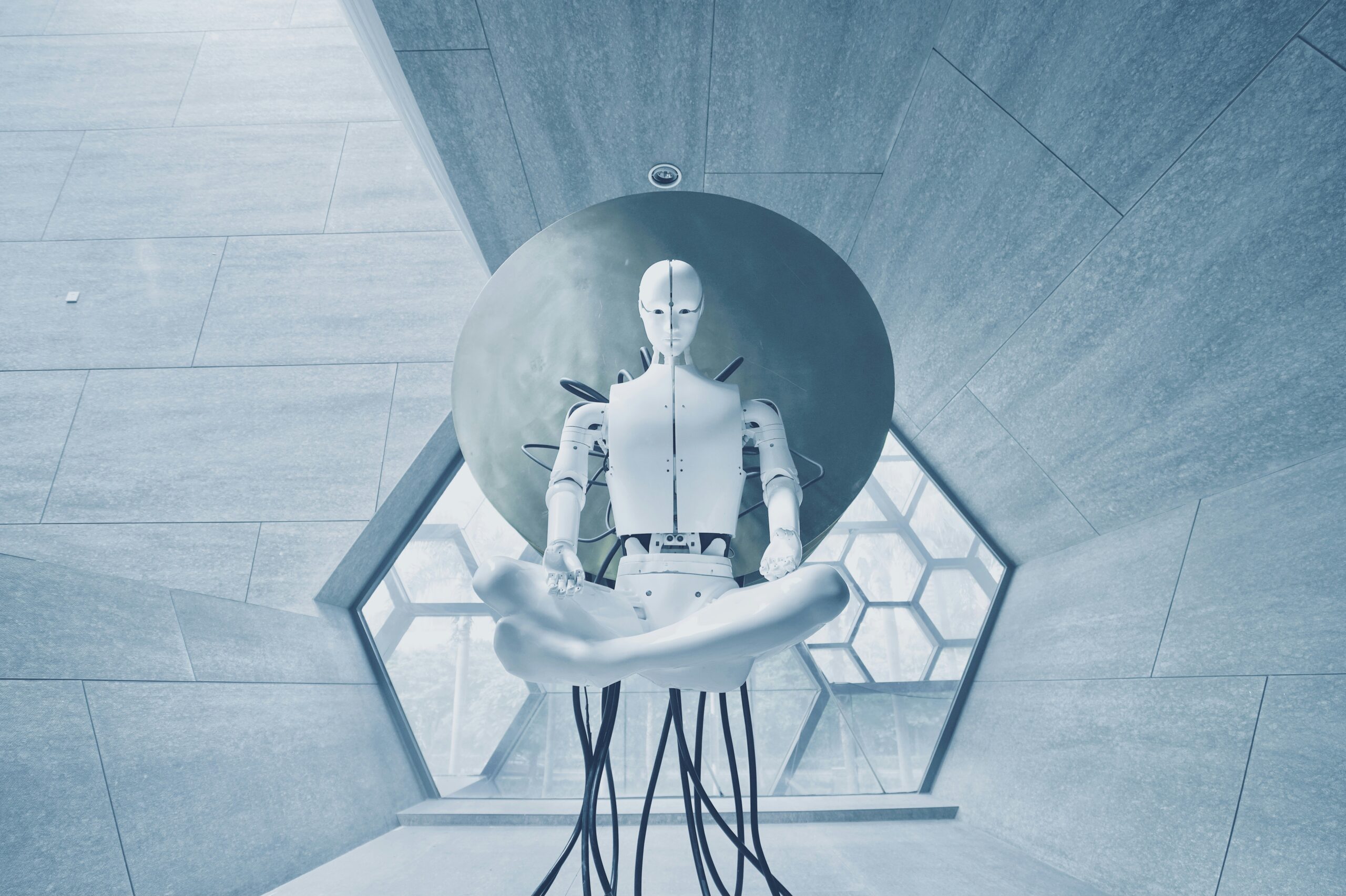
Science fiction, often called sci-fi, stands as one of the most imaginative and thought-provoking genres in literature and film. It challenges the boundaries of the known world and dares to ask “what if” in ways that no other genre can. From futuristic cities and space travel to artificial intelligence and alien life, science fiction presents extraordinary possibilities that reflect our deepest fears and highest hopes. This journey through science fiction will explore its evolution, influence on society, and the significant works that have defined the genre across time.
The Origins of Science Fiction
While science fiction gained prominence in the 20th century, its roots go much further back. Early literary works, such as Mary Shelley’s Frankenstein (1818), introduced readers to the idea of scientific hubris and the moral questions surrounding technology. Shelley crafted a narrative that blended gothic horror with proto-science fiction, setting the stage for a new kind of storytelling.
In the 19th century, authors like Jules Verne and H.G. Wells expanded the genre with classic works such as Journey to the Center of the Earth and The Time Machine. These stories combined adventure with speculative science, allowing readers to imagine worlds beyond their comprehension. The evolution of science fiction began here, in the pages of books that dared to explore the impossible.
The Golden Age of Science Fiction
The mid-20th century marked what many consider the Golden Age of science fiction. This period, roughly spanning the 1930s to the 1950s, introduced the world to a new wave of writers and ideas. Visionaries like Isaac Asimov, Arthur C. Clarke, and Robert A. Heinlein shaped the genre with their stories of space exploration, robotics, and futuristic civilizations.
Magazines such as Astounding Science Fiction played a critical role in spreading these tales. Readers were captivated by the possibilities presented: interplanetary travel, advanced technologies, and intelligent lifeforms. Importantly, these stories often mirrored real-world issues—Cold War paranoia, nuclear fears, and questions about humanity’s place in the universe. The impact of sci-fi on society became increasingly apparent during this time.
Science Fiction on the Big Screen
As technology evolved, so did the mediums through which science fiction could be told. The rise of cinema brought iconic science fiction movies that left lasting cultural impressions. In 1968, Stanley Kubrick’s 2001: A Space Odyssey broke boundaries in visual storytelling and scientific accuracy. The film explored themes of evolution, artificial intelligence, and extraterrestrial life—all central elements of modern science fiction.
Later films like Star Wars (1977) and Blade Runner (1982) added new dimensions to the genre. Star Wars blended space opera with mythology, creating an enduring cultural phenomenon. Blade Runner, on the other hand, brought cyberpunk to mainstream attention with its dystopian vision of the future and moral questions about identity and consciousness.
Science fiction movies not only entertained but also influenced public discussions about future technologies. They predicted—or inspired—the development of concepts like virtual reality, robotics, and space travel.
Literary Sci-Fi in the Modern Era
In recent decades, science fiction literature has become even more diverse and boundary-pushing. Authors like Octavia Butler, William Gibson, and Neal Stephenson explored topics ranging from genetic engineering to virtual environments. Butler introduced strong themes of race, gender, and social justice, proving that science fiction could reflect the real-world struggles of marginalized groups.
Cyberpunk emerged as a subgenre in the 1980s, depicting futures dominated by high-tech and low-life elements. Gibson’s Neuromancer defined the aesthetic and philosophical core of this movement. Readers saw how deeply connected sci-fi books and films had become to real-world innovation and ethical debates.
More recently, authors like Liu Cixin (The Three-Body Problem) and N.K. Jemisin (The Broken Earth Trilogy) has received global acclaim, expanding the genre’s reach and challenging traditional Western-centric narratives. This proves the timeless relevance of science fiction in addressing global issues, cultural change, and speculative futures.
Sci-Fi’s Role in Shaping the Future
Science fiction does more than entertain—it forecasts. Many technologies that exist today once appeared only in science fiction books and films. Concepts like video calling, wearable tech, and artificial intelligence first captured imaginations in fictional works before becoming reality.
But science fiction doesn’t merely guess what will come next. It actively shapes how people think about future challenges. Ethical dilemmas surrounding cloning, privacy in the digital age, and space colonization are frequently debated in sci-fi narratives. These discussions inform not only technology developers but also policymakers, educators, and futurists.
By presenting possible futures—both utopian and dystopian—science fiction allows society to reflect on the path it’s taking. It serves as a warning, a roadmap, and a dream all at once.
Science Fiction and Cultural Reflection
Beyond technology, science fiction serves as a mirror to societal values, norms, and tensions. Dystopian fiction, for instance, often arises during periods of political instability or cultural fear. Novels like 1984 and The Handmaid’s Tale highlight the dangers of authoritarianism and the erosion of individual freedoms.
These stories don’t just speculate about imaginary worlds—they comment on our own. Science fiction encourages readers and viewers to question their environment, understand social systems, and think critically about progress. It challenges assumptions and proposes alternatives to the status quo.
The Future of Science Fiction
Looking ahead, science fiction shows no signs of slowing down. With rapid advances in AI, biotechnology, and space exploration, new questions emerge every day. Writers, filmmakers, and thinkers continue to push the boundaries of what’s possible—and what’s ethical.
Interactive media, such as video games and virtual reality, now offer immersive science-fiction experiences. Players can step inside alien worlds, explore space stations, and shape narrative outcomes. This adds yet another layer to how people consume and contribute to the genre.
As environmental concerns grow, we also see a rise in eco-fiction—a branch of sci-fi dealing with climate change and planetary survival. These stories may soon dominate the genre, reflecting humanity’s collective anxiety about its impact on Earth.
Science fiction is more than escapism. It is a powerful tool for imagination, education, and cultural commentary. From the printed page to the silver screen and beyond, sci-fi has charted a course through human curiosity, technological ambition, and philosophical wonder.
By examining the evolution of science fiction, its influence on society, and the groundbreaking works that define it, we can better understand our past and envision our future. A journey through science fiction is ultimately a journey through humanity’s dreams—and its fears. As long as we continue to wonder what lies beyond the stars or deep within ourselves, science fiction will guide us forward.