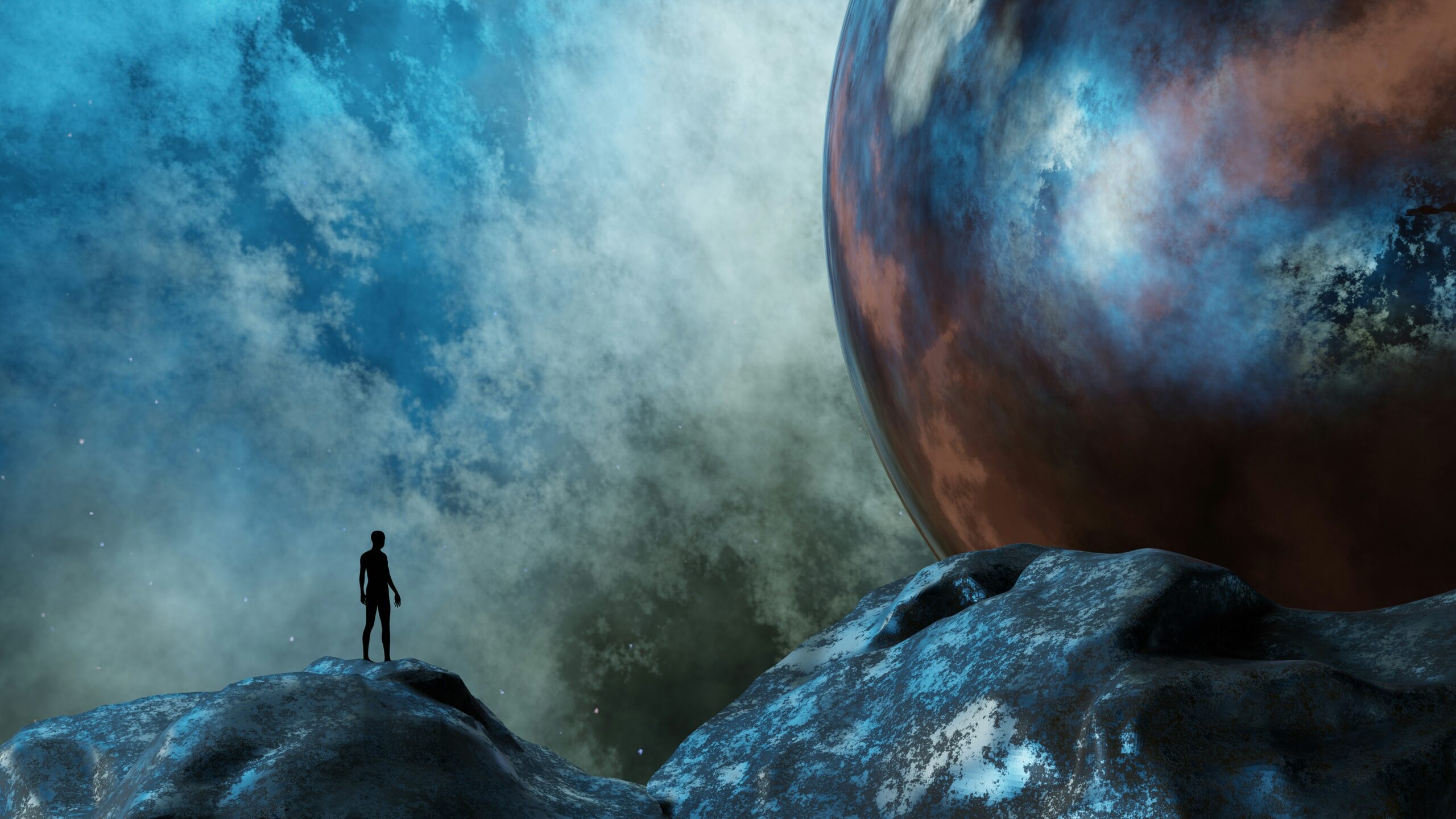
Science fiction has shaped how people think about the future, technology, and humanity’s place in the universe. Although the genre often feels modern, its roots stretch back centuries, blending myth, speculation, and creativity. As society advances, science fiction grows with it, offering visions of distant galaxies, alternate realities, and technological wonders. Because of this deep connection to progress, the genre continually changes while keeping its core purpose: to explore the limits of imagination. Its evolution over time reveals how people across eras view hope, fear, and possibility.
Early Visions That Sparked the Science Fiction Imagination
Long before modern authors shaped the genre, early storytellers created tales that explored new worlds and mysterious forces. These early works often used fantasy and myth to question the limits of human experience. Although they lacked the scientific grounding seen today, they planted the seeds of curiosity and wonder. Writers imagined mechanical beings, strange lands, and cosmic journeys, setting the foundation for what would become science fiction. Their stories inspired generations of thinkers who wanted to push beyond ordinary reality.
As the world changed, early authors added scientific ideas to their imaginative storytelling. Discoveries in astronomy, physics, and engineering gave writers new tools to explore hypothetical futures. Because of this shift, science fiction began to define itself as a genre tied to knowledge and discovery. Although these early stories still relied on creativity, they moved closer to the type of science fiction readers recognize today. These pioneers combined imagination with emerging science to craft visions that challenged society’s understanding of the universe.
The Rise of Classic Science Fiction and Cultural Influence
During the late nineteenth and early twentieth centuries, science fiction emerged as a powerful force in literature. Writers began shaping detailed futures, exploring space travel, time manipulation, and advanced machines. Their works reflected the excitement surrounding industrial progress, as well as the fear of losing control to new inventions. Through bold storytelling, they created narratives that examined moral dilemmas, human ambition, and the consequences of scientific discovery. The popularity of these stories helped science fiction gain mainstream recognition.
As more readers embraced the genre, its influence expanded beyond entertainment. Scientists, inventors, and explorers often cited science fiction as inspiration for their discoveries. Although these works were fictional, they encouraged readers to dream bigger and question reality. The genre’s cultural impact grew deeper as it shifted from mere fantasy to a powerful tool for social commentary. Many classic stories reflected concerns about war, inequality, and technological dependence. Because science fiction mirrored society’s hopes and fears, it became an essential part of cultural storytelling.
The Golden Age and Its Transformative Power
The Golden Age of science fiction introduced bold concepts that shaped modern expectations of the genre. Writers focused on logical storytelling, scientific accuracy, and grand futuristic ideas. Their narratives explored distant planets, advanced robots, and intelligent alien life. They encouraged readers to consider humanity’s future and the responsibilities that accompany scientific progress. Although these stories often felt adventurous, they also examined more profound questions about ethics and identity. Their influence set a high standard for generations of authors.
During this era, readers experienced a stronger connection between science and storytelling. Writers worked to keep the science believable, which helped readers imagine that these futures could become reality. As a result, the genre gained credibility and respect. New magazines and publishers supported science fiction authors, helping the genre reach global audiences. The Golden Age strengthened the idea that it was not only entertainment but also a roadmap for future possibilities. It became a genre in which imagination and science worked together in growing harmony.
New Wave Movements and Expanding Creativity
As the world entered the 1960s and 1970s, science fiction began shifting toward more experimental storytelling. Authors challenged traditional structures and introduced themes of psychology, philosophy, and social change. Their stories often explored inner worlds just as much as outer space. Although the genre still included advanced technology, it placed greater emphasis on human emotions and society. This shift allowed science fiction to explore questions about identity, consciousness, and culture in new ways.
Furthermore, the New Wave movement opened the door for diverse voices and artistic styles. Writers used poetic language, non-linear plots, and complex characters to push the genre beyond strict scientific boundaries. Because of this experimentation, its gained depth and emotional resonance. The movement expanded the genre’s ability to comment on political issues, mental health, and social structures. It showcased how flexible science fiction could be while remaining rooted in imaginative speculation.
The Growth of Film and Television in Science Fiction
As technology advanced, visual storytelling became a powerful medium for science fiction. Films and television brought futuristic worlds to life in ways that written stories alone could not. Audiences saw spaceships, alien worlds, and advanced robots with stunning detail. These visual experiences helped science fiction reach people who had never read the books. Although some adaptations simplified complex ideas, they still expanded the genre’s influence across culture. These new formats transformed it into a global entertainment phenomenon.
Because visual effects improved over time, filmmakers could depict more ambitious stories. Audiences experienced time travel, dystopian societies, and galactic battles with greater realism. This shift strengthened science fiction’s cultural presence and encouraged deeper interest in technology and space exploration. Although film and television adapted many classic themes, they also introduced new narratives that reshaped the genre. As a result, visual storytelling became essential to the evolution of science fiction and its modern appeal.
Science Fiction’s Reflection of Society and Technology
Science fiction has always mirrored real-world challenges and technological changes. Writers examine social issues through futuristic landscapes, helping readers understand complex topics from new perspectives. Although these stories may appear distant, they often address timeless themes such as freedom, identity, and justice. This connection between fiction and reality allows the genre to highlight problems that society faces now or may confront in the future. Its helps readers think critically about how technology affects daily life.
Moreover, the genre often predicts technological advancements with surprising accuracy. Concepts such as virtual reality, artificial intelligence, and space exploration appeared in science fiction long before they became real. These predictions inspire researchers and innovators to pursue discoveries. Because of this relationship, science fiction and technological progress remain closely linked. The genre challenges humanity to consider the consequences of innovation while embracing the endless possibilities of discovery.