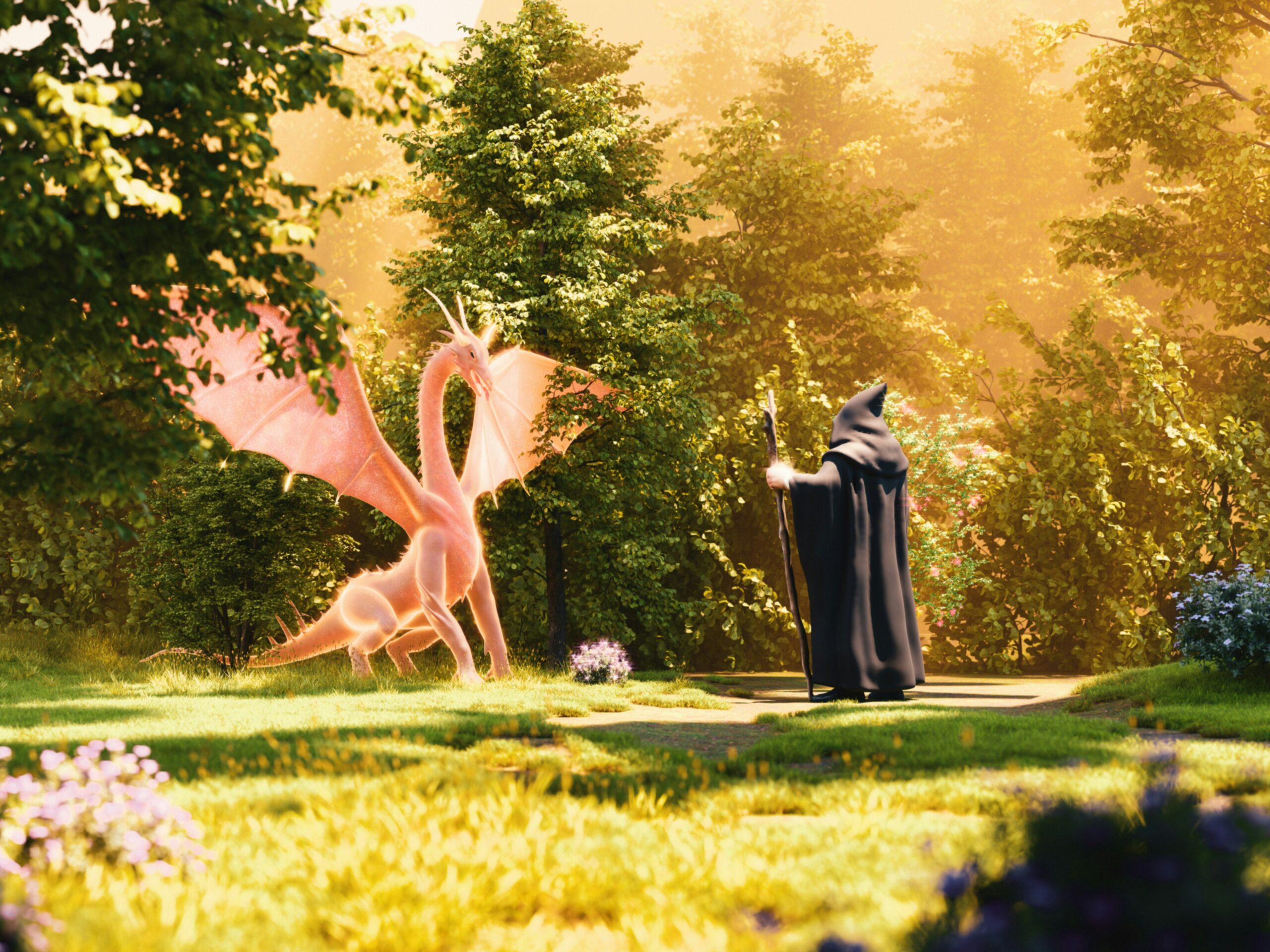
Epic fantasy series continue to shape modern storytelling by building vast worlds, complex characters, and timeless conflicts between good and evil. These stories pull readers into immersive universes where magic feels real, and destiny carries weight. Moreover, the genre evolves constantly while still honoring its roots in mythology and folklore. As a result, readers of all ages continue to discover new favorites while returning to classic sagas. In this guide, we will explore the most influential epic fantasy series that define the genre and explain why they remain essential reads for fantasy lovers.
What Makes an Epic Fantasy Series Truly Timeless
An epic fantasy series stands out when it builds a fully realized world that feels larger-than-life yet believable. Authors achieve this by creating detailed histories, cultures, and systems of magic that support the narrative. Moreover, these worlds often mirror real human struggles, which makes the stories emotionally powerful. Because of this balance between imagination and relatability, readers stay engaged from the first page to the last.
In addition, pacing and character development play a crucial role in defining a strong epic fantasy series. Writers often focus on long character arcs that evolve across multiple books. Therefore, readers witness growth, loss, and transformation in ways that feel meaningful and earned. As a result, these stories do not just entertain; they leave a lasting emotional impact that keeps fans returning to the genre.
The Lord of the Rings and the Foundation of Epic Fantasy Series
The Lord of the Rings remains one of the most influential epic fantasy series ever written, and it set the foundation for modern fantasy storytelling. J.R.R. Tolkien created Middle-earth with deep linguistic history, layered mythology, and a clear moral structure. Moreover, Frodo and the Fellowship’s journey introduced a storytelling model that many authors still follow today. Because of its scope and depth, this series continues to define what epic fantasy should feel like.
Furthermore, the series shaped readers’ views of quests, heroes, and the battle between light and darkness. Although many modern works have expanded the genre, Tolkien’s influence remains clear in structure and tone. In addition, his attention to world-building set a standard that few writers surpass. As a result, The Lord of the Rings continues to serve as a reference point for every epic fantasy series that followed.
A Song of Ice and Fire and the Rise of Complex Fantasy Realism
A Song of Ice and Fire transformed the epic fantasy series landscape by introducing political realism and moral complexity. George R.R. Martin built a world where characters face unpredictable consequences, and no one remains safe. Moreover, this unpredictability adds tension, keeping readers deeply engaged throughout the series. Because of this approach, the story feels more like historical fiction infused with fantasy elements.
In addition, the series challenges traditional hero narratives by showing flawed characters in morally gray situations. Therefore, readers must question loyalty, justice, and survival in a harsh world. Meanwhile, the detailed political structure adds another layer of realism, strengthening the narrative. As a result, A Song of Ice and Fire stands as a powerful example of how epic fantasy series can evolve while staying true to core genre themes.
The Wheel of Time and the Art of Expansive World Building
The Wheel of Time is another defining epic fantasy series known for its massive scope and intricate world-building. Robert Jordan created a universe filled with deep history, unique magic systems, and a vast cast of characters. Moreover, the series explores cycles of time and destiny, which gives the story a mythic quality. Because of this structure, readers experience a sense of scale that few fantasy series can match.
Furthermore, the series develops its characters slowly, allowing their growth to feel natural and meaningful. Although the narrative spans many books, each installment adds depth to the overall story. In addition, the blend of prophecy, conflict, and personal struggle keeps readers invested. As a result, The Wheel of Time remains a cornerstone of the epic fantasy series genre and continues to influence modern authors.
Mistborn and Modern Innovation in Epic Fantasy Series
Mistborn shows how a modern epic fantasy series can reinvent genre expectations through innovative storytelling. Brandon Sanderson introduced a unique magic system based on metals, which adds strategic depth to the plot. Moreover, the story focuses on rebellion, trust, and sacrifice in a world ruled by a powerful tyrant. Because of its structured magic system, the series feels both creative and logically consistent.
In addition, the character development in Mistborn strengthens the story’s emotional core. Therefore, readers connect deeply with the struggles of the main characters as they challenge oppressive systems. Meanwhile, the pacing remains tight and engaging across each installment. As a result, Mistborn proves that a modern epic fantasy series can be both accessible and deeply layered without losing its sense of wonder.
Why Epic Fantasy Series Continue to Capture Global Readers
Epic fantasy series continue to thrive because they offer readers an escape into worlds where imagination has no limits. These stories combine adventure, emotion, and philosophy in a way that few other genres can match. Moreover, they allow readers to explore themes like power, identity, and destiny in meaningful ways. Because of this depth, the genre appeals to both casual readers and dedicated fans.
Furthermore, streaming adaptations and digital media have introduced new audiences to classic and modern fantasy worlds. Therefore, interest in these stories continues to grow across generations. In addition, authors continue to push creative boundaries, ensuring the genre remains fresh and exciting. As a result, the epic fantasy series remains one of the most influential storytelling forms in modern literature.