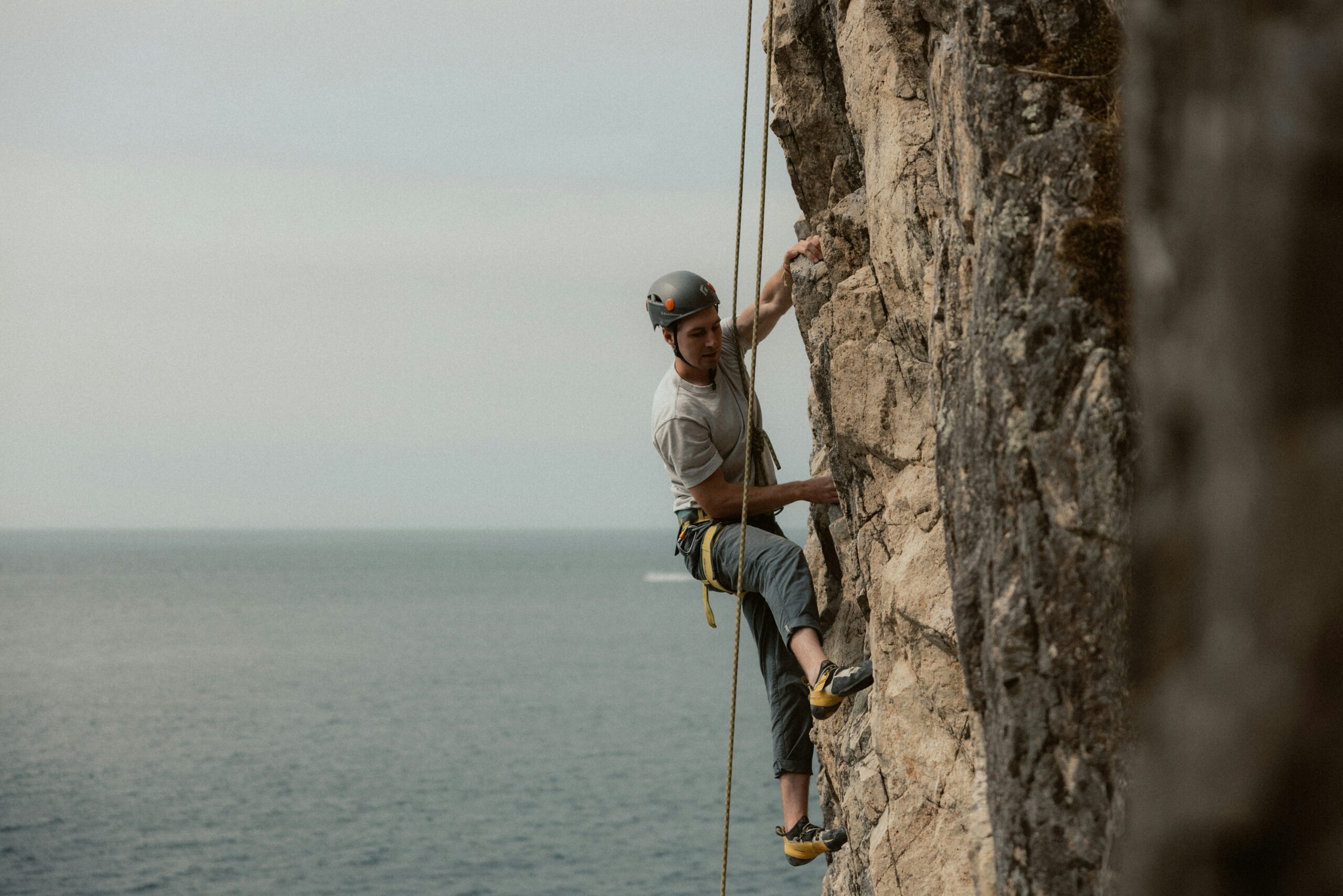
Indoor rock climbing has emerged as one of the most dynamic ways to stay fit, challenge the mind, and explore personal limits. Unlike traditional workouts, climbing demands both physical strength and mental agility, offering a holistic experience that engages the body and sharpens the mind. Gyms across the country now offer safe, controlled environments, allowing beginners and advanced climbers alike to experience the exhilaration of ascending walls, solving movement puzzles, and pushing beyond their comfort zones.
Engaging the Whole Body
Indoor climbing is a full-body workout that goes far beyond traditional exercise routines. Climbers strengthen their arms, shoulders, back, and core with every movement while relying on leg muscles for balance and propulsion. Precision in hand and foot placement enhances coordination, flexibility, and overall body awareness. Unlike repetitive gym exercises, climbing demands functional strength, making every movement intentional and meaningful. With consistent practice, participants build endurance, agility, and resilience that carry over into daily life, turning each climb into both a challenge and a workout.
Training the Mind
Climbing challenges the brain as much as the body. Each route functions as a puzzle, requiring careful planning and split-second problem-solving. Climbers must evaluate holds, anticipate movements, and adjust strategies on the fly. This process improves focus, concentration, and spatial awareness. It also teaches persistence, as failed attempts encourage analysis, reflection, and improvement. Over time, climbers develop stronger problem-solving skills and mental resilience, learning to stay calm and methodical even under pressure.
Confronting Fear and Building Confidence
Even in a controlled gym, climbing can push individuals out of their comfort zones. Heights and unfamiliar movements often trigger fear, but indoor gyms offer a safe space to confront those anxieties. Climbers learn to trust their technique, their equipment, and themselves. Each successful ascent reinforces confidence and demonstrates that preparation and perseverance can overcome hesitation. This personal growth often translates beyond the gym, helping climbers tackle challenges in everyday life with courage and determination.
Fostering Community and Connection
Indoor climbing fosters a sense of community, enhancing the overall experience. Climbers often partner with belayers or fellow participants, exchanging advice, encouragement, and support. The shared pursuit of overcoming routes builds camaraderie, creating a welcoming environment for learning and growth. Social interaction encourages collaboration and mentorship, making the gym not only a place for exercise but also a hub for meaningful connections. This communal aspect strengthens motivation and makes the pursuit of personal goals more rewarding.
Inclusive and Accessible
Indoor climbing is suitable for individuals of all ages and abilities. Gyms provide walls and routes of varying difficulty, allowing beginners to progress at a comfortable pace while offering challenges for experienced climbers. Instruction and guidance ensure that newcomers understand safety measures and proper techniques, promoting confidence and steady development. The accessibility and inclusivity of indoor climbing allow participants to grow at their own rate, encouraging long-term engagement and personal achievement.
Stress Relief and Mindfulness
Climbing offers an effective way to reduce stress and practice mindfulness. Physical exertion combined with strategic thinking keeps climbers fully engaged, creating a state of focus where distractions fade away. This immersion fosters a sense of flow, allowing individuals to relieve tension and clear their minds. Many climbers describe the experience as both energizing and meditative, providing mental clarity while strengthening the body. Regular climbing sessions become a holistic form of wellness that nurtures both physical and emotional health.
Encouraging Growth and Persistence
Indoor climbing supports continuous improvement. Each route presents new challenges that require technique, strength, and creativity. Climbers learn to adapt, analyze, and refine strategies as they tackle progressively harder walls. This cycle of practice, reflection, and achievement promotes perseverance and resilience. With consistent effort, climbers experience tangible progress, reinforcing the idea that dedication and persistence yield results. The sport rewards those willing to embrace challenges and push beyond perceived limitations.
Preparing for Outdoor Adventure
For climbers interested in outdoor climbing, gyms provide an ideal training environment. Techniques such as proper grip, foot placement, and body positioning translate directly to natural rock formations. Indoor practice builds strength, confidence, and route-reading skills, enabling climbers to approach outdoor challenges safely and effectively. By practicing indoors first, individuals reduce the risk of injury and build a solid foundation for future outdoor adventures.
Indoor rock climbing combines physical challenge, mental focus, and personal growth, creating a dynamic and engaging sport for participants of all levels. Climbers strengthen their bodies, sharpen their minds, and build confidence while connecting with a supportive community. The activity offers stress relief, encourages perseverance, and prepares individuals for future challenges, both inside and outside the gym. Indoor climbing is more than just a workout—it is an experience that fosters adventure, resilience, and a sense of accomplishment. By embracing vertical pursuits, participants discover the excitement of pushing limits and the satisfaction of reaching new heights.