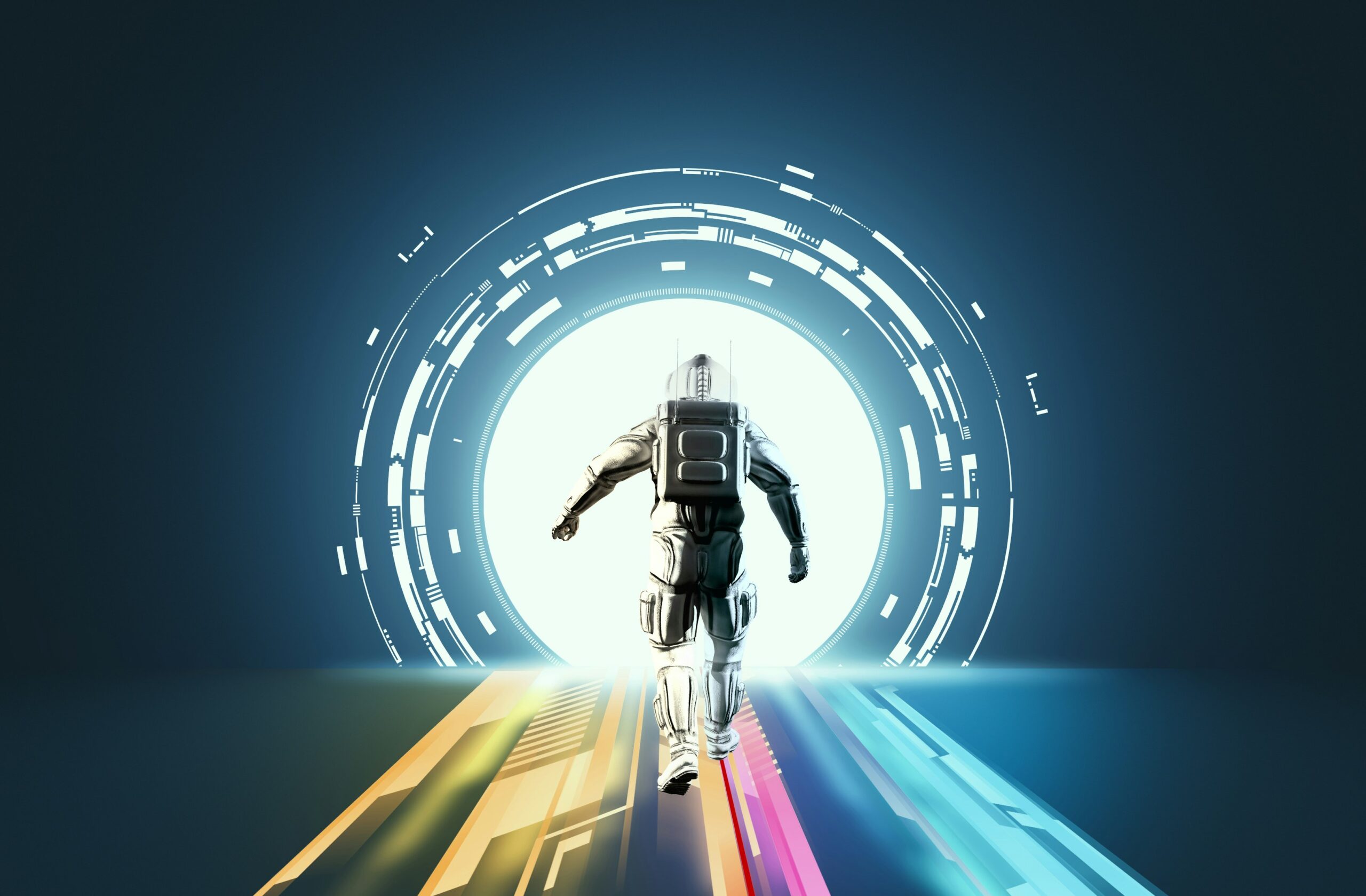
Science fiction has always pushed the boundaries of human creativity by imagining places, technologies, and societies that extend beyond present reality. The future of science fiction continues this tradition by exploring new possibilities shaped by innovation, discovery, and changing human experiences. As technology advances and global challenges evolve, writers and creators continue to build science fiction worlds that reflect hopes, concerns, and dreams about tomorrow.
The future of science fiction does not simply focus on advanced machines or distant planets. Instead, it examines how people adapt to transformation and how societies respond to powerful new ideas. Therefore, modern science fiction storytelling connects imagination with real questions about identity, ethics, relationships, and survival.
Imagining New Realities Through Creative Vision
Science fiction worlds provide a space where creators can explore concepts that seem impossible today. However, many ideas once considered fantasy have influenced real inventions and scientific progress. From artificial intelligence to space exploration, science fiction has inspired researchers, engineers, and innovators to think beyond traditional limits.
Moreover, future science fiction stories will likely expand into more complex environments where technology and humanity interact in unexpected ways. Writers may explore digital societies, advanced civilizations, and alternative forms of intelligence that challenge traditional definitions of life.
At the same time, these stories will continue to focus on human emotions. Even when a story takes place across galaxies or inside virtual environments, characters still face questions about purpose, connection, and responsibility. Consequently, the strongest science fiction worlds will combine technological imagination with meaningful human experiences.
Technology Transforming Science Fiction Worlds
Technology plays a central role in shaping the future of science fiction. As artificial intelligence, robotics, biotechnology, and space research develop, creators gain new inspiration for storytelling. These advancements allow writers to imagine worlds where humans and machines share environments in ways that feel both exciting and uncertain.
Furthermore, emerging technology allows audiences to experience science fiction in new formats. Virtual reality and interactive storytelling can place viewers directly inside futuristic environments. As a result, people may not only watch science fiction worlds but also explore them personally.
Nevertheless, future stories will examine the risks connected to technological growth. Many creators will continue asking important questions about privacy, control, equality, and human freedom. Through these discussions, science fiction remains a powerful tool for understanding the possible consequences of innovation.
The Evolution of Human Connections in Future Stories
Science fiction has always explored how technology changes human relationships. In the future, creators may examine new forms of communication, digital identities, and connections between humans and artificial intelligence. These themes will become increasingly important as technology becomes a larger part of everyday life.
Additionally, future science fiction worlds may present societies where humans live across multiple environments. People might build communities on other planets, within digital spaces, or through advanced communication networks. These settings allow creators to explore how humans maintain culture, emotions, and shared values despite major changes.
However, the focus will remain on human experiences rather than technology alone. Great science fiction stories reveal how people handle uncertainty and adapt to unfamiliar circumstances. Therefore, future narratives will continue using imaginative settings to reflect real human struggles and achievements.
Exploring Social Challenges Through Futuristic Storytelling
Science fiction often reflects the concerns of its time, and future stories will continue this important role. Creators can use fictional worlds to examine climate change, resource challenges, social inequality, and ethical conflicts. By presenting possible futures, science fiction encourages audiences to consider the choices they make today.
In addition, futuristic storytelling can introduce new perspectives about cooperation and progress. Many science fiction worlds show societies that overcome challenges through creativity, collaboration, and understanding. These stories can inspire audiences to imagine solutions rather than simply predict problems.
As a result, the future of science fiction will likely include stories that balance caution with optimism. Instead of focusing only on destruction or conflict, many creators will explore how humanity can grow and improve through knowledge and compassion.
The Expanding Influence of Science Fiction Imagination
The influence of science fiction extends beyond books and films. Today, science fiction ideas shape education, technology development, entertainment, and cultural discussions. Because these stories encourage people to imagine different possibilities, they help society prepare for change.
Moreover, future science fiction worlds will continue reaching wider audiences through new creative platforms. Digital media, immersive experiences, and global storytelling communities will allow more people to participate in building futuristic visions.
Ultimately, the future of science fiction represents humanity’s desire to understand what comes next. These stories will continue exploring unknown worlds while examining familiar emotions and challenges. Through creativity and innovation, science fiction remains a powerful reflection of human curiosity.
The journey ahead for science fiction will involve more than advanced technology or distant destinations. Instead, it will focus on the relationship between progress and humanity. As creators imagine new possibilities, they will continue building science fiction worlds that encourage discovery, awareness, and hope. The future of science fiction will remain a place where imagination meets reality and where tomorrow begins with the ideas created today.