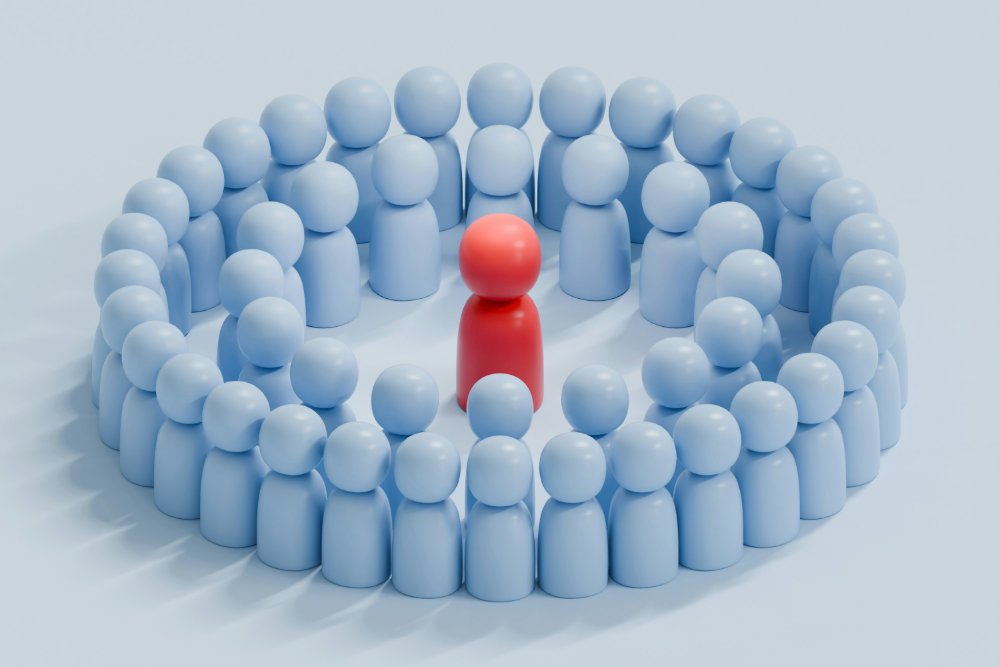
Technology influences almost every activity within modern organizations. Employees use digital platforms to communicate, complete assignments, access information, and support customers. Despite this dependence, many IT departments continue operating through structures that prioritize technical systems over employee experiences. These traditional approaches can create service delays, communication barriers, and unnecessary complications. Reorganizing IT around the people it serves allows organizations to develop technology environments that better support daily responsibilities and long-term business objectives.
A people-centered IT structure begins with recognizing that employees are not simply users of technology. They are essential contributors whose needs should influence technology decisions. Instead of organizing every service around technical categories, businesses can focus on the outcomes employees want to achieve. This approach helps IT professionals identify workplace challenges, simplify processes, and provide meaningful assistance. When organizations connect technology services with human needs, they create stronger relationships between technical departments and the wider workforce.
Recognizing How Employees Experience Workplace Technology
Employees experience technology differently depending on their responsibilities, departments, and working environments. A financial analyst may require accurate reporting software, while a customer service representative depends on reliable communication tools. Employees working remotely may face additional challenges involving secure access and collaboration. Understanding these differences helps IT leaders recognize that standardized solutions do not always provide the flexibility necessary to support diverse workplace requirements.
Organizations can develop this understanding through employee interviews, satisfaction surveys, and direct observation of daily activities. These methods reveal practical problems that technical monitoring systems might overlook. For example, an application may operate correctly while requiring employees to complete unnecessary steps. Gathering feedback from different departments allows IT teams to identify recurring frustrations and prioritize improvements. This information provides a valuable foundation for creating services that address actual working conditions rather than assumptions.
Aligning IT Responsibilities With Business Priorities
Traditional IT departments often divide responsibilities according to infrastructure, applications, security, and technical support. Although specialized teams provide valuable expertise, strict divisions can complicate service delivery. Employees may need assistance from several departments to resolve one issue. Reorganizing IT around business priorities encourages technical professionals to coordinate their efforts and focus on complete solutions instead of isolated technical responsibilities.
Effective alignment requires regular communication between IT leaders and department managers. These conversations help identify operational goals, upcoming projects, and technology challenges that affect productivity. IT teams can then allocate resources according to business needs and establish clearer service expectations. This approach also supports better investment decisions because organizations can evaluate technology based on its practical contribution to employee performance, customer experiences, and operational efficiency.
Improving Communication Between IT Teams and Employees
Strong communication is essential when organizations redesign their technology services. Employees often feel frustrated when technical support teams provide complicated explanations or unclear updates. IT professionals should use straightforward language when discussing problems, explaining solutions, and introducing changes. Clear communication helps employees understand what assistance is available and reduces uncertainty during technical disruptions.
Organizations should also create opportunities for continuous dialogue between IT departments and business users. Regular meetings, accessible support channels, and employee feedback sessions encourage cooperation. These interactions allow technical professionals to understand workplace challenges before they become serious problems. Employees also gain confidence when they recognize that their concerns receive appropriate attention. Over time, consistent communication strengthens trust and establishes IT as a reliable business partner.
Simplifying IT Services to Improve Daily Productivity
Complicated technology procedures can consume valuable time and reduce employee productivity. Workers may struggle with confusing service portals, disconnected applications, or repeated requests for identical information. Organizations should examine these difficulties and identify opportunities to simplify everyday interactions. Clear service instructions, organized support resources, and integrated digital tools can make routine activities easier to complete.
Improving service accessibility also supports employees with different technical abilities and working preferences. IT departments should provide practical guidance, understandable interfaces, and multiple ways to request assistance. Self-service resources can help employees resolve common problems independently, while direct support remains available for complex situations. By reducing unnecessary obstacles, organizations allow employees to concentrate on meaningful responsibilities instead of spending excessive time managing technical difficulties.
Strengthening IT Support Through Proactive Problem-Solving
A people-centered IT structure encourages teams to prevent technical disruptions rather than respond only after problems occur. System monitoring, preventive maintenance, and regular application reviews help identify potential failures before employees experience interruptions. This proactive approach supports dependable services and reduces the likelihood of unexpected downtime affecting essential business activities.
Proactive support also involves examining patterns in employee requests. Repeated reports about slow applications or difficult access procedures may indicate larger problems requiring permanent solutions. IT teams should investigate these concerns and address underlying causes instead of repeatedly applying temporary fixes. Understanding how technical issues affect employee responsibilities helps organizations prioritize improvements that produce meaningful results. This approach strengthens workplace reliability while reducing frustration and unnecessary support demands.
Creating a Culture of Collaboration and Shared Responsibility
Successful IT reorganization requires cultural changes alongside operational adjustments. Technical professionals should recognize that their responsibilities extend beyond maintaining systems. Their work directly influences employee experiences and organizational performance. IT leaders can encourage this perspective by promoting collaboration, active listening, and accountability. Training programs that develop communication and problem-solving skills help technical teams deliver more supportive services.
Business departments also play an important role in maintaining effective technology environments. Employees should feel comfortable reporting concerns, participating in system evaluations, and suggesting improvements. Organizations can strengthen cooperation by involving representatives from different departments in technology planning. Shared responsibility encourages practical decision-making and reduces misunderstandings during implementation. When IT professionals and employees work toward common objectives, technology services become more responsive and valuable.
Building a Sustainable People-First IT Strategy
Long-term success requires organizations to treat people-centered IT management as an ongoing responsibility. Employee expectations change as businesses expand, introduce new systems, and adopt different working arrangements. IT leaders must regularly review service structures and adjust their strategies to reflect these developments. Flexible planning, continuous training, and employee participation help organizations maintain technology environments that support changing requirements.
Ultimately, reorganizing IT around the people it serves means making human needs central to technology decisions. Organizations should maintain strong security, reliable infrastructure, and efficient operations while ensuring that employees receive accessible and responsive services. This balanced approach improves collaboration, reduces workplace frustration, and supports consistent productivity. By creating IT structures that prioritize people, businesses can develop more adaptable operations and establish a stronger foundation for sustainable organizational growth.